Pigeon Peas
Our pigeon peas are rich in protein and flavor, making them a perfect addition to any meal. They are cultivated with care to ensure top quality.
Benefits:
High in protein and fiber
Supports heart health
Excellent source of vitamins and minerals
Usage:
Use in soups, stews, or as a side dish in various cuisines.
Pigeon Peas – Grains & Pulses
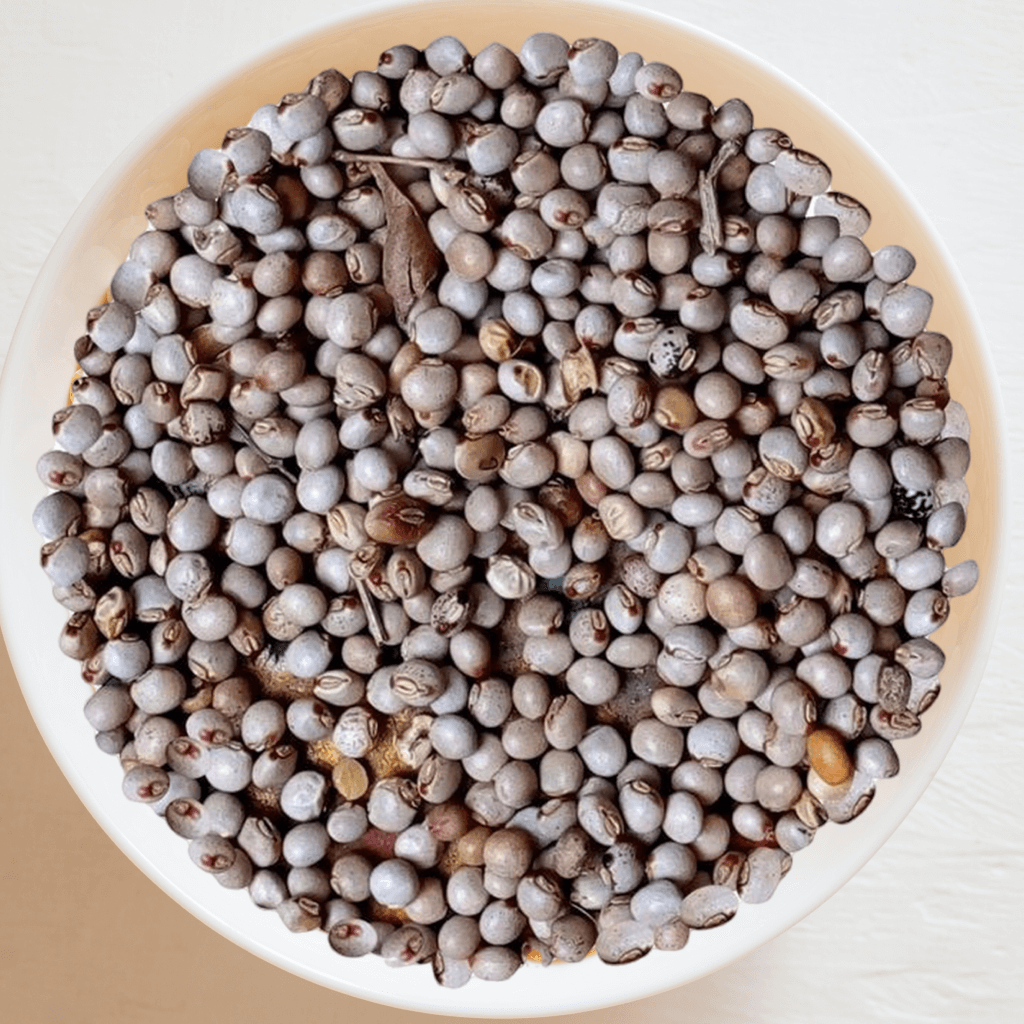
Pigeon peas, scientifically known as Cajanus cajan, are a highly versatile and nutritious legume that has been a staple in many traditional cuisines for centuries. Also referred to as “arhar dal” or “toor dal” in various regions, these small, beige-colored peas are cherished not only for their delicious taste but also for their exceptional health benefits. Let’s take a closer look at the specifications, health benefits, and diverse culinary uses of pigeon peas.
Specifications of Pigeon Peas:
✓ Varieties:
Pigeon peas come in different varieties, each with its own unique size, color, and flavor. Common varieties include Cajanus cajan and Cajanus scarabaeoides.
✓ Color:
Typically beige or pale yellow, pigeon peas stand out with their distinct color, setting them apart from other pulses.
✓ Size:
Pigeon peas are small and rounded, making them easy to incorporate into various dishes.
✓ Texture:
Once cooked, pigeon peas develop a tender yet firm texture with a mild, nutty flavor that adds richness to a variety of recipes.
Cultivation:
✓ Pigeon peas are known for their hardiness and drought resistance, making them well-suited for cultivation in diverse climates.
Specification
Property | Pigeon Peas (Cajanus cajan) |
Varieties | Cajanus cajan, Cajanus scarabaeoides |
Color | Beige or pale yellow |
Size | Small, rounded legumes |
Texture | Tender, firm, mild, nutty flavor |
Cultivation | Hardy, drought-resistant |
Health Benefits of Pigeon Peas
✓ Rich in Protein:
Pigeon peas are an excellent source of plant-based protein, essential for building and repairing muscles.
✓ Dietary Fiber:
With their high fiber content, pigeon peas support digestion, promote a healthy gut, and help regulate blood sugar levels.
✓ Vitamins and Minerals:
Pigeon peas are packed with vital nutrients such as folate, magnesium, potassium, and vitamin B6, supporting overall health.
✓ Heart Health:
The combination of fiber and potassium helps regulate blood pressure and cholesterol levels, promoting heart health.
✓ Weight Management:
Pigeon peas are a nutrient-dense, satisfying food, making them a great addition to weight-conscious diets.
Culinary Uses
✓ Dal (Lentil Curry):
Pigeon peas are a key ingredient in dal, a delicious and nutritious lentil curry that pairs perfectly with rice or flatbreads.
✓ Stews and Curries:
Incorporate pigeon peas into stews, curries, and one-pot meals to add protein, texture, and depth of flavor.
✓ Rice and Pulao:
Enhance rice dishes and pulao with pigeon peas for a boost in both flavor and nutritional value.
✓ Snacks and Patties:
Blend cooked pigeon peas with spices to create tasty snacks, patties, or fritters for a flavorful treat.
✓ Soups:
Add pigeon peas to soups for a hearty, nutritious twist that elevates both taste and texture.
Conclusion
Pigeon peas, with their versatility, rich nutritional content, and distinctive flavor, are a culinary treasure that transcends cultural boundaries. Whether enjoyed in a comforting dal, a hearty stew, or a flavorful rice dish, pigeon peas bring a wholesome and satisfying element to any meal. As you explore the endless culinary possibilities of pigeon peas, appreciate the nutritional benefits they offer and let them become a cherished ingredient in your kitchen.